



How to Inspire Creativity and Learning in Kids

Creativity and learning go hand-in-hand in a child's development. From a young age, kids have a natural flair for innovation, but sometimes they need a little push to fully express it. So how can we as parents, educators, or caregivers cultivate this creativity? Here are some effective strategies to inspire creativity and nurture a love for learning in children.
Inspire Creativity with a Safe Space
Creating a safe space for kids to explore their thoughts and ideas is crucial. This environment should encourage open-ended play and expression. A designated area filled with art supplies, books, and building materials can ignite their creativity.
Example Setup
Use a corner of a room where kids can freely create without the risk of making a mess.
Provide a variety of materials such as colored paper, crayons, clay, and building blocks.
Make it comfortable with cushions and soft seating to encourage hours of playful creativity.

Research shows that children are more likely to express themselves when they feel safe. A survey by the National Endowment for the Arts stated that kids engaging in art activities demonstrate higher levels of confidence and creativity.
Encourage Experimentation and Exploration
Letting kids experiment without fear of failure is a great way to fuel creativity. Avoid the pressure of perfection; instead, focus on the process of creation. Allow them to make mistakes and learn from them, as these experiences are often the best teachers.
Practical Tips
Introduce fun science experiments that allow kids to explore cause and effect, like a simple volcano using baking soda and vinegar.
Encourage imaginative play by providing costumes and props that let them role-play different characters.
Create challenges, such as building a bridge out of spaghetti and marshmallows to promote innovative thinking.

When children are given the freedom to explore, they develop critical thinking skills. A study from the University of Central Florida revealed that child-led exploration can foster a deeper understanding of concepts and enhance their learning outcomes.
Incorporate Arts and Crafts
Arts and crafts are fantastic tools for inspiring creativity. Through various art projects, kids learn to express themselves visually and tactilely. This can also be a bonding time for family members.
Creative Craft Ideas
Use recycled materials to create sculptures, teaching both creativity and environmental awareness.
Organize themed art days, where kids can create something related to a book or a holiday.
Host informal art contests to motivate them – the focus should be on fun, not competition.

Statistics show that kids who engage regularly in arts and crafts are better at problem-solving and critical thinking. A report by the Arts Education Partnership found that art activities are strongly correlated with academic success and cognitive development.
Foster a Love for Reading
Cultivating a love for reading can immensely benefit both creativity and learning. Books act as windows into different worlds, sparking imagination and curiosity.
Tips for Encouraging Reading
Create a reading nook in your home filled with a diverse selection of books.
Make reading interactive by discussing stories and letting kids predict what's going to happen next.
Join local library programs or online reading challenges to keep the excitement alive.
By integrating reading into daily routines, we enrich children's vocabulary and expose them to various concepts and cultures. The National Literacy Trust states that children who read outside of school perform better academically.
Engage with Educational Programs
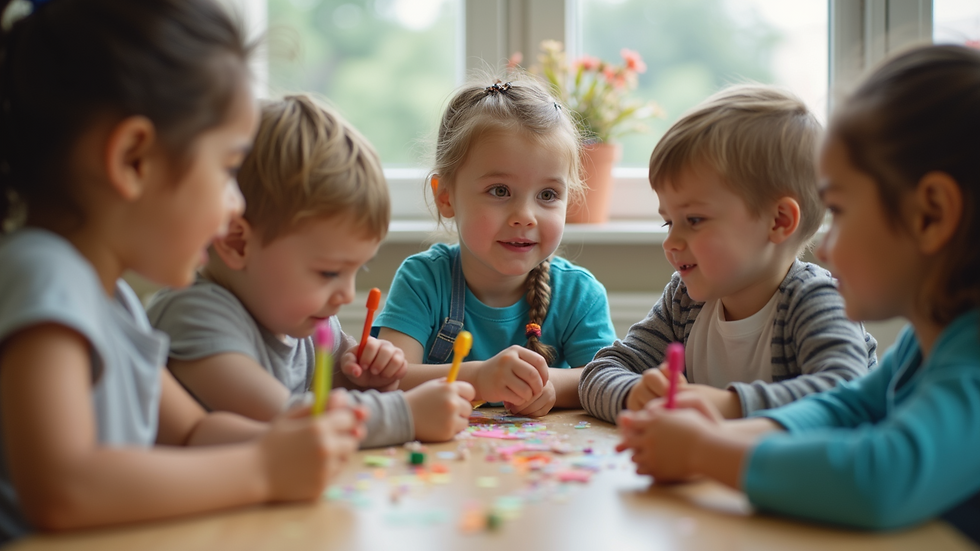
Involving children in educational programs can be incredibly beneficial. Appropriately assigned child workshops provide hands-on learning experiences that ignite passion and creativity.
Many local community centers and schools offer such workshops, which can cover everything from art to science. They expose kids to new ideas and teach them how to apply their creativity in practical ways.
Benefits of Workshops
They offer expert guidance that can inspire kids.
Children meet peers with similar interests, creating a sense of community.
Workshops often include hands-on activities that are appealing and memorable.
Inspiring creativity and learning in children is not just about providing resources; it’s also about fostering an environment that celebrates imagination. Making small changes at home can result in big impacts on your child’s growth.
Create a Supportive Routine
Lastly, establishing a routine can help channel your child's creative energy. A balanced schedule that includes time for both free play and structured activities can lead to a healthier mindset.
Effective Routines
Set aside specific times for creative activities each week.
Balance screen time with physical activities like dance or sports.
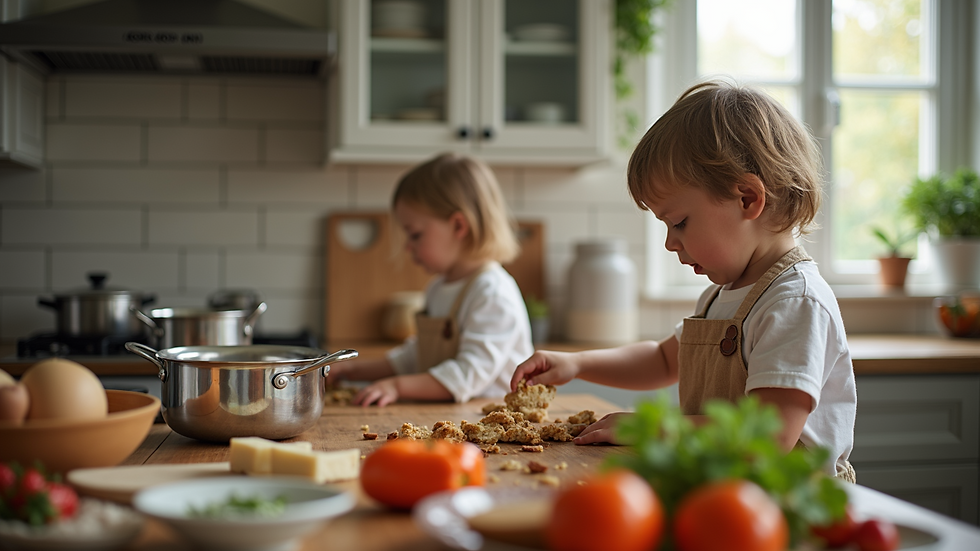
Involve children in cooking or gardening, which combines creativity with practical skills.
By keeping a well-structured routine, children learn to balance their creative pursuits with other important activities in life. A study from the American Academy of Pediatrics suggests that a stable routine can foster healthier development in children.
Inspiring creativity in kids isn’t just beneficial; it’s essential for their overall growth and development. By creating environments that encourage exploration, experimentation, and creativity, we pave the way for our children to develop lifelong skills. Embrace the journey to foster creativity, making sure it’s filled with joy and learning.


Comments